
Tirzepatide vs. Semaglutide: Similarities and Differences.

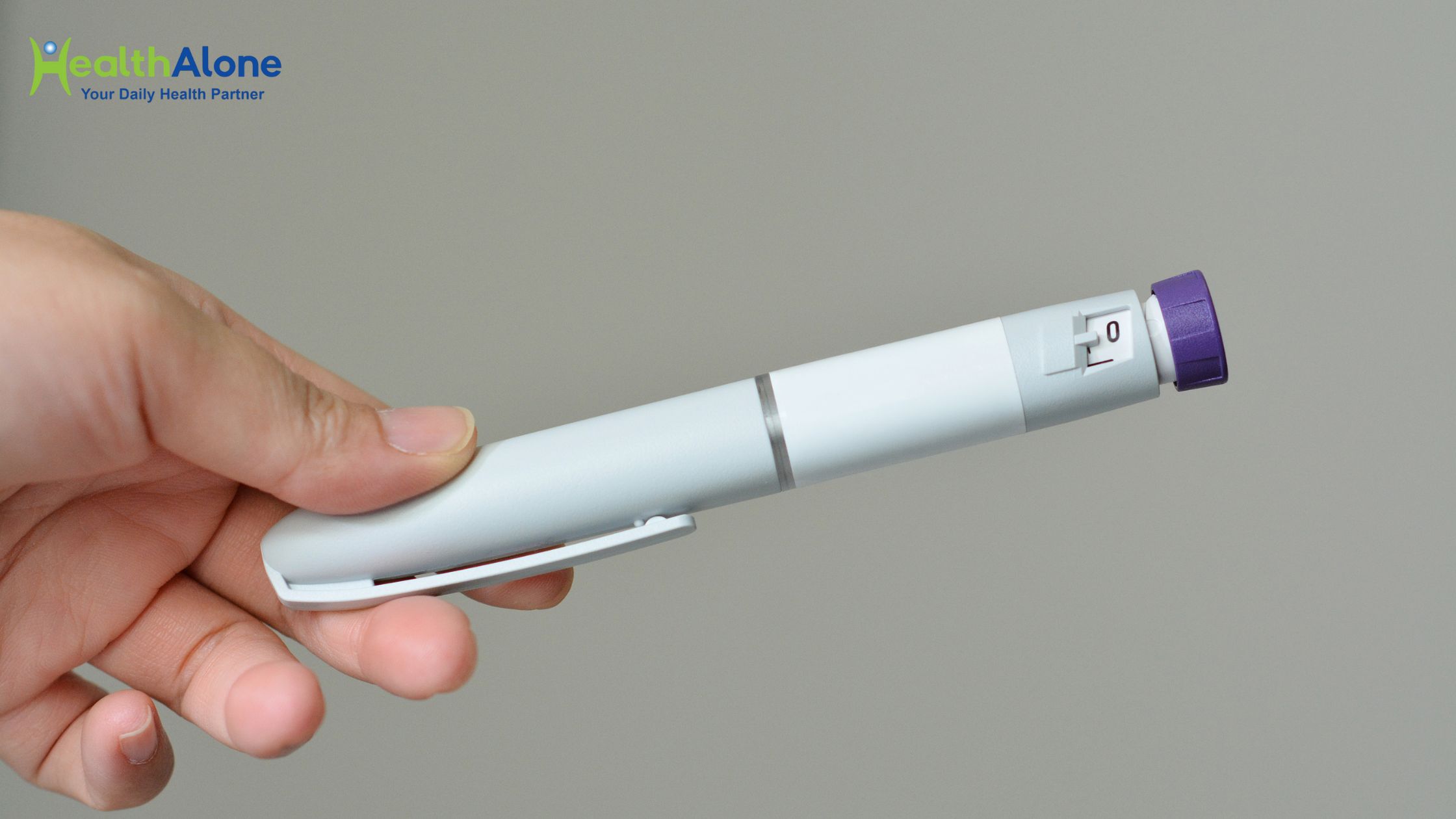
Weight loss has evolved beyond diet and exercise alone. Today, medications play a growing role in helping people manage obesity and metabolic health. Among the most talked-about options are tirzepatide vs. semaglutide, two innovative drugs originally developed for type 2 diabetes.
Doctors now prescribe these medications for weight loss—even “off-label.” That means they’re used in ways not originally approved but supported by research and clinical experience.
So, which one is better? Let’s break it down clearly and practically.
Tirzepatide vs. Semaglutide Overview
When comparing tirzepatide vs. semaglutide, the key difference lies in how they work in the body.
What Is Semaglutide?
Semaglutide is a GLP-1 receptor agonist. It mimics a hormone your body naturally produces after eating.
It helps you:
- Feel full faster
- Eat less
- Control blood sugar
It’s available under:
- Ozempic (commonly used for diabetes)
- Oral versions also exist
What Is Tirzepatide?
Tirzepatide is newer and more advanced. It targets two hormones instead of one:
- GLP-1
- GIP (glucose-dependent insulinotropic polypeptide)
It’s available under:
Because of this dual action, it may produce stronger weight loss effects.
How These Medications Work
Understanding the science makes the comparison easier.
GLP-1 Mechanism Explained
GLP-1 medications like semaglutide:
- Slow digestion
- Reduce appetite
- Improve insulin release
In simple terms, your brain gets the message: “You’re full—stop eating.”
Dual Action of Tirzepatide
Tirzepatide takes it further:
- GLP-1 reduces appetite
- GIP improves fat metabolism and insulin response
This combo creates a more powerful metabolic effect, which explains why many studies show better results.
Effectiveness for Weight Loss
Clinical Research Findings
Studies from recent years show:
- Tirzepatide users lost more weight overall
- Some participants lost up to 20% of body weight
- Semaglutide users also lost significant weight, but slightly less on average
However, there’s a catch:
- Dosages in studies weren’t equal
- Tirzepatide was often tested at higher strengths
So, while results look impressive, comparisons aren’t perfectly balanced.
Real-World Results
In real life:
- Semaglutide works steadily and reliably
- Tirzepatide may deliver faster and more dramatic results
Still, results depend on:
- Diet
- Exercise
- Consistency
No injection replaces lifestyle habits—let’s be honest about that.
Side Effects Comparison
Both drugs have similar side effects because they act on similar pathways.
Common Side Effects
- Nausea
- Vomiting
- Diarrhea or constipation
- Stomach pain
- Fatigue
- Headaches
These usually improve after a few weeks.
Serious Risks
Less common but important:
- Pancreatitis
- Kidney problems
- Gallbladder issues
- Low blood sugar (especially in diabetics)
- Thyroid tumor warning (boxed FDA warning)
Because tirzepatide is newer, long-term effects are still being studied.
Dosage Chart and Comparison
| Medication | Weeks 1–4 | Weeks 5–7 | Week 8+ | Maintenance |
| Tirzepatide (Tiza Q / Zeptide) | 2.5 mg weekly | 5 mg weekly | Increase every 4 weeks up to 15 mg | 5–15 mg weekly |
| Semaglutide (Ozempic) | 0.25 mg weekly | 0.5 mg weekly | Gradual increase | 1.7–2.4 mg weekly |
💡 Important:
- Tirzepatide doses are higher because it works differently
- Always follow a doctor’s guidance
Cost and Accessibility
Cost matters—a lot.
Typical pricing:
- Tirzepatide: ~ From KSh 8,000 (2.5mg)
- Semaglutide: ~ From KSh 37,000.
Long-term studies suggest:
- Tirzepatide may be more cost-effective
- Because it may lead to greater weight loss
Who Should Use Each Medication
Choose Semaglutide if:
- You want a proven, established option
- You prefer oral or injectable flexibility
- You’re cautious about newer drugs
Choose Tirzepatide if:
- You want maximum weight loss potential
- You’ve plateaued on semaglutide
- You’re okay using a newer medication
Always consult a healthcare provider first.
Switching Between Medications
Switching from semaglutide to tirzepatide is generally safe.
In fact:
- Some people lose more weight after switching
- It may help break plateaus
But don’t do it alone—medical supervision is key.
Lifestyle Factors That Improve Results
Let’s be real—these drugs work best when combined with:
1. Smart Eating
- High protein diet
- Reduced sugar intake
- Portion control
2. Regular Exercise
- Strength training
- Cardio workouts
- Daily movement
3. Sleep and Stress
- 7–8 hours of sleep
- Lower stress levels
Medication is a tool—not a magic fix.
Frequently Asked Questions
1. Which is better: tirzepatide vs. semaglutide?
Tirzepatide may lead to greater weight loss, but semaglutide is more established. The best choice depends on your goals and medical history.
2. How fast does weight loss happen?
Some people notice changes within weeks. Significant results usually appear after 2–3 months.
3. Can I take these drugs without diabetes?
Yes. Doctors prescribe them for weight loss, even in non-diabetic patients.
4. Are the side effects permanent?
No. Most side effects fade as your body adjusts.
5. Is tirzepatide safe long-term?
It appears safe so far, but long-term data is still limited.
6. Can I stop the medication after losing weight?
You can—but weight regain is possible without lifestyle changes.
Takeaway
When comparing tirzepatide vs. semaglutide, both medications are powerful tools for weight loss.
- Semaglutide is reliable and well-studied
- Tirzepatide is newer but potentially more effective
Ultimately, the best option depends on your body, goals, and medical guidance.
If you’re serious about weight loss, combining medication with healthy habits will give you the best results—no shortcuts.