
12 Simple Ways to Break Through a Weight Loss Plateau.

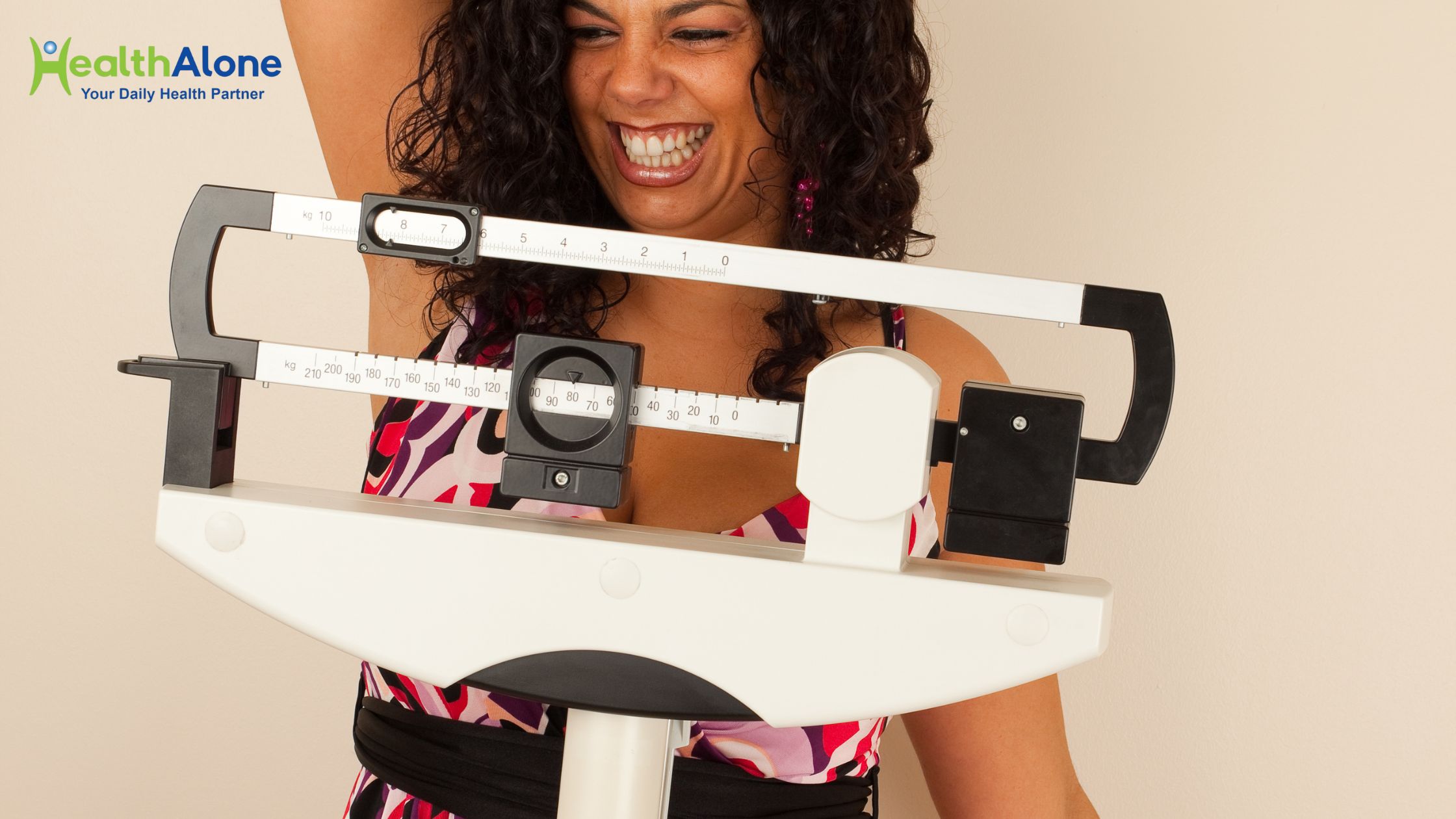
Achieving consistent progress in weight loss can feel effortless at first, but eventually, results slow down. This phase, widely known as a weight loss plateau, can be frustrating and confusing. Despite maintaining your routine, the scale refuses to move. We understand this challenge and present 12 powerful, science-backed strategies to help you push past stagnation and continue progressing toward your ideal body composition.
1. Cut Back on Carbohydrates to Reset Fat Burning
Reducing carbohydrate intake can significantly impact fat loss, especially when progress has stalled. When we lower carb consumption, the body shifts toward using stored fat for energy. This metabolic adjustment often leads to reduced hunger levels and improved calorie control without conscious restriction.
Focusing on complex carbs like whole grains and vegetables while minimizing refined sugars and processed foods enhances fat metabolism. This simple dietary shift can reignite consistent weight loss.
2. Increase Exercise Frequency or Intensity
As body weight decreases, metabolism naturally slows. To counter this, we must increase physical activity strategically. Adding one or two extra workout sessions per week or intensifying existing workouts can stimulate calorie burn and improve metabolic efficiency.
Combining aerobic exercises (like running or cycling) with resistance training (such as weight lifting) delivers optimal fat-burning results while preserving lean muscle mass.
Additionally, increasing daily movement—walking more, standing frequently, or engaging in small physical tasks—boosts non-exercise activity thermogenesis (NEAT), which plays a critical role in total calorie expenditure.
3. Track Everything You Eat with Precision
Many people underestimate their food intake, leading to unnoticed calorie surpluses. Tracking meals allows us to gain full awareness of calorie and macronutrient intake.
Using food tracking apps or journals helps identify hidden calories, portion inaccuracies, and nutrient imbalances. This clarity enables immediate adjustments that can break a plateau effectively.
4. Increase Protein Intake for Better Metabolism
Protein plays a vital role in overcoming stalled weight loss. It increases the thermic effect of food (TEF), meaning more calories are burned during digestion compared to fats and carbohydrates.
Additionally, protein enhances satiety by regulating hunger hormones, helping us feel full longer. Incorporating lean protein sources such as chicken, fish, eggs, legumes, and dairy into every meal supports sustained fat loss and muscle preservation.
5. Manage Stress to Reduce Fat Storage
Chronic stress directly interferes with weight loss by increasing cortisol levels, a hormone linked to fat accumulation—especially around the abdomen.
Implementing stress-management techniques such as meditation, deep breathing, exercise, and proper relaxation helps stabilize hormonal balance. Lower cortisol levels support improved metabolism and reduce emotional eating patterns.
6. Try Intermittent Fasting for Metabolic Flexibility
Intermittent fasting introduces structured eating windows that can enhance fat burning and improve insulin sensitivity. Popular approaches include 16:8 fasting (16 hours fasting, 8 hours eating) or alternate-day fasting.
By limiting eating periods, we naturally reduce calorie intake while encouraging the body to utilize stored fat for energy. This method is particularly effective for individuals experiencing prolonged plateaus.
7. Avoid Alcohol to Eliminate Empty Calories
Alcohol consumption often disrupts weight loss efforts. It provides empty calories with zero nutritional value and can trigger overeating due to lowered inhibitions.
Additionally, alcohol temporarily halts fat oxidation, meaning the body prioritizes burning alcohol instead of fat. Reducing or eliminating alcohol intake can significantly accelerate progress.
8. Increase Fiber Intake for Appetite Control
Dietary fiber, especially soluble fiber, plays a crucial role in breaking weight loss plateaus. It slows digestion, stabilizes blood sugar levels, and promotes prolonged satiety.
Foods rich in fiber—such as oats, vegetables, fruits, legumes, and seeds—help reduce overall calorie intake naturally. Increasing fiber consumption enhances digestive health and supports consistent fat loss.
9. Drink More Water, Coffee, or Tea
Hydration directly impacts metabolism and appetite control. Drinking water before meals reduces calorie intake and improves digestion.
Additionally, beverages like coffee and green tea contain compounds that enhance fat oxidation. Green tea, in particular, is rich in antioxidants that support metabolic function.
Replacing sugary drinks with calorie-free alternatives can create a significant calorie deficit over time.
10. Prioritize Quality Sleep for Hormonal Balance
Sleep is a critical yet often overlooked factor in weight loss. Insufficient sleep disrupts hormones responsible for hunger and satiety, increasing cravings and calorie intake.
We should aim for 7–8 hours of high-quality sleep per night. Proper rest supports metabolic health, improves energy levels, and enhances overall fat-burning efficiency.
11. Eat Vegetables at Every Meal
Vegetables are nutrient-dense, low-calorie, and high in fiber, making them essential for breaking a plateau. Including vegetables in every meal increases food volume without adding excessive calories.
Leafy greens, broccoli, zucchini, peppers, and cucumbers are excellent options. These foods help maintain fullness while ensuring the body receives essential vitamins and minerals needed for optimal performance.
12. Stop Relying Solely on the Scale
The number on the scale does not always reflect actual progress. Weight can remain stable while body composition improves—fat decreases while muscle increases.
We should track progress using multiple indicators:
- Body measurements
- Progress photos
- Clothing fit
- Strength improvements
Understanding that fat loss—not just weight loss—is the goal helps maintain motivation and prevents unnecessary frustration.
Frequently Asked Questions (FAQ)
What Causes a Weight Loss Plateau?
A weight loss plateau occurs when the body adapts to reduced calorie intake and increased activity. Factors include metabolic slowdown, inaccurate calorie tracking, hormonal imbalances, and insufficient recovery.
How Can We Break a Weight Loss Plateau Quickly?
We can overcome a plateau by adjusting calorie intake, increasing exercise intensity, improving sleep quality, managing stress, and optimizing macronutrient balance—particularly protein and fiber.
How Long Does a Weight Loss Plateau Last?
Plateaus vary in duration. They may last a few weeks to several months, depending on lifestyle adjustments and individual metabolic responses.
Can a Cheat Meal Help Break a Plateau?
Occasional, controlled increases in calorie intake may temporarily boost metabolism and improve adherence to long-term dieting. However, consistency remains the key to sustained progress.
Bottom Line
Weight loss plateaus are a natural phase in any transformation journey. They signal the need for adjustment rather than failure. By implementing these 12 strategic, evidence-based methods, we regain control over our progress and continue moving toward our goals.
Consistency, awareness, and strategic changes remain the foundation of long-term success. When applied correctly, these methods ensure that progress resumes—stronger, smarter, and more sustainable than before.