

med textile Sacro Lumbar Support: The Lighter Belt, Comfortable Enough to Wear Through a Working Day
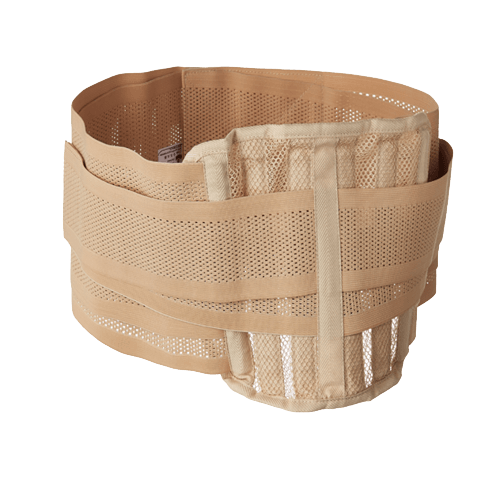
This med textile sacro lumbar support eases a tired, aching lower back and keeps it steady through the hours that make it worse, without the bulk and heat of a rigid brace. It is a knitted belt that sits flat under a shirt, pulls on and fastens in seconds, and is light enough that people actually keep it on rather than taking it off by mid-morning.
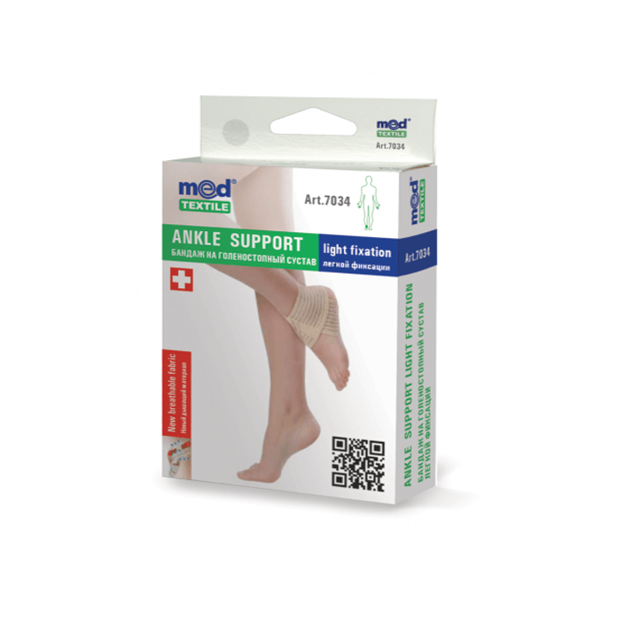
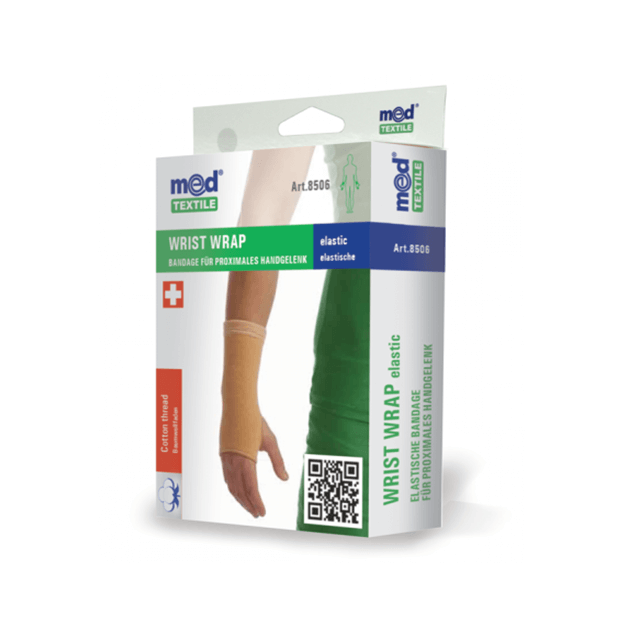
It is part of the med textile range — the same German-specified knitted range as the knee, ankle and wrist bandages on the shelves nearby — and it costs 3,551 shillings, which makes it the least expensive back support we stock. The knit breathes rather than trapping heat, which matters for anything worn for hours in Nairobi. Our pharmacist measures the waist and checks the fit before it leaves us.
Who This One Suits
Anybody whose back aches through a long day — driving, standing at a counter, sitting at a desk, a market day — and who wants support they can keep on.
Anybody who found a firmer brace too hot or too bulky and stopped wearing it, which is the commonest reason a back support ends up unused.
Anybody who needs it under work clothes, since a flat knit leaves no ridge through a shirt.
And anybody wearing a support for hours rather than for one lift, where comfort decides whether it gets worn at all.
Where our doctor has asked for firm support after an operation or an injury, the four-stay sacrolumbar support is what that usually means, and where the problem is how you sit rather than what you lift, ask our pharmacist about a posture corrector.
What a Back Belt Honestly Does
It makes a particular day feel steadier and more comfortable, with gentle compression round the middle, warmth over the sore part and a constant reminder to bend from the hips rather than the spine.
It is an aid rather than a treatment. Research is honest about this: across seven trials and more than fourteen thousand people, lumbar supports matched doing nothing at all for preventing back pain, and the trials on treating it were small and unclear. Current guidance for managing ordinary low back pain recommends against belts and corsets and favours keeping moving.
So wear it for the day that needs it and take it off afterwards. If you find you are in a belt every day simply to get through life, please come and see our doctor, because there is better available to you.
And where our doctor has prescribed a support, after surgery, a vertebral injury or a specific diagnosis, the instructions you were given override everything above.
What Actually Helps a Sore Back
Keep moving and carry on with normal activity. This is the strongest message in every back pain guideline and the opposite of what most people do; resting in bed makes a back worse rather than better.
Get back to work and your ordinary day as soon as you can, adjusting the heavy parts rather than stopping altogether.
Exercise has the best evidence of anything. Our doctor will set out a programme and a physiotherapist is worth the visit; our pharmacist can point you to one.
Ask our pharmacist about pain relief in the first days, so moving is comfortable enough to actually do.
And change the lifting rather than belting it. Load close to the body, hips and knees bending, no twisting while loaded, and somebody else on the other end of anything awkward.
Putting It On
Stand up to fasten it, with your weight even on both feet.
The bottom edge sits just above the hip bones. A belt worn too high rides up under the ribs and does nothing for the part that hurts.
Firm, rather than tight. You should be able to take a full breath in and slide a flat hand under the front. A belt that stops you breathing deeply will be off within the hour.
Then walk twenty steps and reset it, because a belt fastened standing still is looser as soon as you move.
Smooth out every wrinkle, since a fold in a knitted belt presses a line into the skin over a long day.
Wearing It and Caring for It
Take it off to sleep unless our doctor has said otherwise, and give the skin air for part of the day.
Look at the skin each time it comes off, along the top and bottom edges and over the hip bones. A red mark that stays red when you press it means loosen the fit.
Hand-wash in cool water with mild soap and dry it flat out of direct sun. A knitted belt takes frequent washing well, which is one of the reasons to choose it over foam.
Close every fastening before it goes in the water, since hook-and-loop filled with lint stops gripping.
Replace it when it slackens. Worn daily the elastic softens over a few months, and a belt that goes on loosely has stopped supporting.
Is a Sacro Lumbar Support Right for You?
This belt suits a back that aches through a long day, work you need support under, and anybody who found a firmer brace too hot to keep on. Please speak to our doctor before buying one if any of these apply:
- You have numbness or tingling around the back passage, the genitals or the inner thighs — the area that would touch a saddle — or trouble starting or controlling urine, leaking, or reduced feeling when you pass water or open your bowels. GO TO A HOSPITAL TODAY. These are the warning signs of a trapped bundle of nerves at the base of the spine, and they are an emergency.
- There is weakness in a leg or foot, or a foot that catches when you walk.
- The pain followed a fall, a crash or a heavy lift, or you are over 50, have osteoporosis or take steroids. A broken bone in the spine needs seeing rather than belting.
- The pain is worse at night or wakes you, you have lost weight you did not mean to, you have a fever, or you have had cancer. See our doctor promptly.
- You are pregnant, or the back pain has lasted more than six weeks, or you are wearing a belt every day to get through life. Please come and see our doctor.
Our pharmacists will measure the waist, check the belt sits above the hip bones and show you the full-breath check, and our doctor will examine the back and say what it actually needs.
Where to Buy a sacro lumbar support in Kenya
Order online and we deliver countrywide, or collect from our pharmacy at Kahawa Sukari Shopping Center, Nairobi. We send orders to Nairobi and every neighbourhood around it — the CBD, Westlands, Parklands, Gigiri, Muthaiga, Runda, Rosslyn, Kitisuru, Lower Kabete, Lavington, Kileleshwa, Kilimani, Karen, Langata, South B, South C, Eastleigh, Buruburu, Donholm, Embakasi, Ngong Road, Kasarani, Roysambu, Zimmerman, Githurai, Ruaka, Banana Hill, Two Rivers, Village Market and Pride Lands — and across Kiambu, Thika, Juja, Ruiru, Kikuyu, Limuru and Ngong.
Beyond the capital we deliver to Mombasa, Kisumu, Nakuru, Eldoret, Nyeri, Machakos, Athi River, Kitengela, Kajiado, Naivasha, Narok, Kericho, Bomet, Kisii, Migori, Homa Bay, Siaya, Bungoma, Busia, Kakamega, Vihiga, Webuye, Kitale, Nandi Hills, Iten, Kapenguria, Embu, Meru, Chuka, Kerugoya, Murang’a, Othaya, Nyahururu, Nanyuki, Maralal, Isiolo, Marsabit, Moyale, Wajir, Mandera, Garissa, Lodwar, Kitui, Mwingi, Makueni, Emali, Kibwezi, Voi, Taveta, Wundanyi, Mariakani, Diani, Ukunda, Kilifi, Watamu, Malindi, Lamu and Hola. Tell us the town and we will confirm the delivery cost and the timing before you pay.
Across Africa, ask us before you order. We have sent orders to Uganda, Tanzania, Somaliland and as far as Malawi, and we will quote for Rwanda, Burundi, South Sudan, Ethiopia, Zambia, Zimbabwe, Botswana, Mozambique, Nigeria, Ghana, South Africa and the rest of the continent. Tell us the destination and we will confirm any import paperwork before the parcel leaves us.
Living abroad? Order from wherever you are and we deliver here in Kenya. Kenyans in the UK, the United States, Canada, South Africa and the Gulf order from us regularly for a parent or relative at home, and this is one of the things they order most. Tell us the address and we will deliver and set it up.
Why Buy Your a sacro lumbar support from HealthAlone Kenya?
HealthAlone is a pharmacist-led health ecosystem licensed by the Pharmacy and Poisons Board, and our stock is original, sealed and correctly stored. Kahawa Sukari is a real counter with real pharmacists behind it.
Our pharmacists measure the waist and check the fit before it leaves us, and they will tell you plainly what a belt is for and what your back actually needs, which is why people come back to us for the next one.
It is one more step in our vision: building Africa’s most trusted health ecosystem, accessible to everyone, everywhere.
FAQs
What makes this different from the four-stay support?
Weight and comfort. This one is a lighter knitted belt you can wear through a working day; the four-stay support is firmer and is what our doctor usually means when a support is prescribed after surgery or an injury. If a firmer brace was too hot or too bulky to keep on, this is the one.
Will a back belt cure my back pain?
No, and our pharmacist will say the same. Across seven trials and more than fourteen thousand people, lumbar supports matched doing nothing at all for preventing back pain, and current guidance for managing ordinary low back pain recommends against belts and corsets. What a belt does is make a particular day feel steadier and remind you to bend from the hips.
Then what does help a sore back?
Keeping moving and carrying on with normal activity, which is the strongest message in every guideline and the opposite of what most people do. Getting back to work and your ordinary day. Exercise, which has the best evidence of anything. And pain relief in the first days so that moving is comfortable enough to actually do.
When should I go to hospital rather than buy a belt?
Today, if you have numbness or tingling around the back passage, the genitals or the inner thighs, or trouble starting or controlling urine, leaking, or reduced feeling when you pass water or open your bowels. Those are the warning signs of a trapped bundle of nerves at the base of the spine and they are an emergency. Weakness in a leg or a foot that catches when you walk needs seeing promptly too.
Where should it sit?
The bottom edge just above the hip bones. A belt worn too high rides up under the ribs and does nothing for the part that hurts. Fasten it standing rather than sitting, with your weight even on both feet.
How tight should it be?
Firm, not tight. You should be able to take a full breath in and slide a flat hand under the front. Walk twenty steps and reset it, since a belt fastened standing still is looser as soon as you move.
What size do I need?
Measure around your waist at the level of the navel and tell our pharmacist the figure in centimetres. On a knitted belt the compression is knitted in, so the size matters more here than on a plain strap belt.
Will it show under my clothes?
A flat knit leaves no ridge, so it sits under a shirt. That is one of the main reasons people choose this one for work.
Is it hot to wear?
Less so than a neoprene belt. The knit breathes rather than trapping heat on purpose, which is why people keep this one on through a Nairobi day.
Can I wear it all day?
You can, and take it off to sleep unless our doctor has said otherwise. Give the skin air for part of the day and look at the skin each time it comes off, along the top and bottom edges and over the hip bones.
Can I wear it for lifting at work?
It will make the lift feel steadier, and it will not make an unsafe lift safe. Load close to the body, bend hips and knees, never twist while loaded, and get somebody on the other end of anything awkward.
Can I wear it while pregnant?
Please speak to our doctor first. A pregnant back wants a maternity support designed for it rather than a lumbar belt, and our pharmacist can show you what we hold.
How do I wash it?
Close every fastening first, then hand-wash in cool water with mild soap, rinse and dry flat out of direct sun. Worn daily the elastic softens over a few months, and a belt that goes on loosely has stopped supporting.
Where can I buy a sacro lumbar support in Kenya?
Order from HealthAlone online and we deliver countrywide, or collect from our pharmacy at Kahawa Sukari Shopping Center, Nairobi. We deliver across Nairobi — the CBD, Westlands, Parklands, Lavington, Kileleshwa, Kilimani, Karen, Langata, South B, South C, Eastleigh, Buruburu, Donholm, Embakasi, Kasarani, Roysambu, Zimmerman, Githurai and Ruaka — and across Kiambu, Thika, Juja, Ruiru, Kikuyu, Limuru and Ngong, as well as Mombasa, Kisumu, Nakuru, Eldoret, Nyeri, Machakos, Kitengela, Naivasha, Narok, Kericho, Kisii, Bungoma, Kakamega, Kitale, Embu, Meru, Chuka, Murang’a, Nyahururu, Nanyuki, Isiolo, Garissa, Lodwar, Kitui, Voi, Kilifi, Malindi and Diani. Send us your waist measurement.