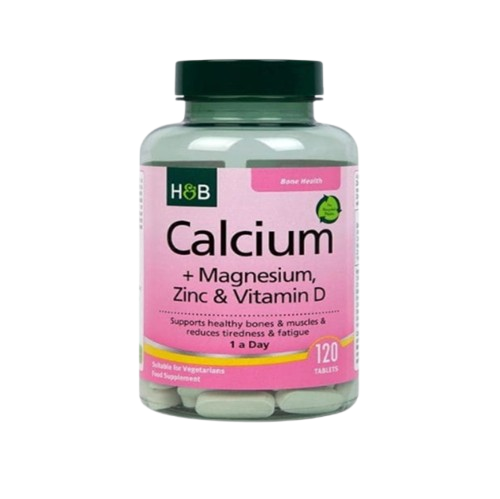
Buy Calcium Magnesium Zinc Tablets Online in Kenya – Holland & Barrett Calcium, Magnesium, Vitamin D & Zinc
These are calcium magnesium zinc tablets with vitamin D added — a four-mineral daily supplement for bones, teeth, muscle function and immunity, from one of Britain’s best-known health retailers.
At a glance
- What it’s for: bone and teeth strength, muscle function, tiredness and immune support
- Who it suits: adults with low dairy intake or little sun exposure; ask first if you take thyroid medicine or antibiotics
- How to use: with food and water, as directed on the pack — separated from certain medicines by a few hours
- Why us: licensed, pharmacist-led Kenyan pharmacy · original sealed pack · interaction check before you buy
- Delivery: nationwide, or collect at Kahawa Sukari — see options at checkout
Why Vitamin D Deficiency Is Common in Kenya
This surprises people, so it is worth starting here.
We live on the equator with sun all year, so the assumption is that nobody here could be short of vitamin D. The assumption is wrong, and low vitamin D is common across Kenya and the wider region. Several reasons stack up.
Melanin reduces how much vitamin D the skin makes. It absorbs the ultraviolet the skin uses to produce vitamin D, so deeply pigmented skin needs considerably longer in the sun to make the same amount. That is simply the chemistry.
Modern days are spent indoors. An office, a car or a matatu, a shop, a classroom. Glass blocks the relevant ultraviolet entirely, so a sunny commute through a windscreen contributes nothing.
And we tell people to wear sunscreen. Our own pages do, repeatedly, and that advice is right — unprotected sun causes the pigmentation and damage most of our customers are trying to treat. But it is honest to say that daily sun protection makes the vitamin D question more relevant, not less. The answer is not to stop wearing sunscreen. It is to get vitamin D from food or a supplement instead.
If you want to know where you actually stand, a vitamin D blood test will tell you. Ask our pharmacist.
Why Take a Calcium Magnesium Zinc Supplement at All?
The four are combined because they work together rather than separately.
Calcium builds bone, and is also needed for muscles to contract and nerves to signal. If dietary intake falls short the body takes what it needs from the skeleton — the quiet mechanism behind bone thinning over decades.
Vitamin D is what lets you absorb the calcium. Without enough of it, a good calcium intake is only partly used. This is the single best reason for the combination: calcium without vitamin D is working at a disadvantage.
Magnesium contributes to normal muscle and nerve function and to reducing tiredness, and it is part of the bone matrix itself. It is the mineral most people here are asking about when they describe night cramps.
Zinc supports normal immune function and contributes to the maintenance of normal skin, hair and nails.
Food First, Supplement the Gap
A supplement is for filling a gap, not for replacing a diet, and it is worth knowing where your gap actually is.
Calcium in Kenyan food: milk, mala, yoghurt and cheese are richest, and omena — eaten whole, bones included — is excellent and cheap. Sukuma wiki and other greens contain calcium, but much of it is poorly absorbed, so greens alone do not cover it.
Vitamin D in food: genuinely scarce. Oily fish, egg yolks and fortified products, and little else. This is the nutrient most people cannot fix by eating differently.
So the honest position: if you drink milk daily and eat omena regularly, your calcium may already be fine and the vitamin D is the part you are missing. Tell our pharmacist what you actually eat, and we will tell you whether you need all four minerals or only one.
Medicines This Can Interfere With
This matters more than anything else on the page, and it is missing from most supplement listings.
Calcium binds to several medicines in the gut and stops them being absorbed properly. The important ones:
- Thyroid medicine (levothyroxine) — calcium can substantially reduce absorption. Separate them by at least four hours.
- Certain antibiotics, including the tetracyclines such as doxycycline and the quinolones such as ciprofloxacin and levofloxacin. Separate by at least two to four hours, or the antibiotic may not reach the level it needs to.
- Iron tablets — calcium and iron compete. Take them at different times of day.
- Bisphosphonates for osteoporosis — strict timing rules apply; follow the ones you were given.
Also check before starting if you have kidney disease or a history of kidney stones, take a diuretic or a heart medicine such as digoxin, or already take another multivitamin, calcium or vitamin D product — doubling up is easy and unhelpful.
None of this makes the supplement unsafe. It makes it something worth taking with advice. Tell us what else you take, and we will check it in a minute.
How to Take Calcium Magnesium Zinc Tablets
- Take with food and a full glass of water — calcium is absorbed better with a meal, and food reduces stomach upset.
- Follow the dose on the pack. Do not exceed it, and do not add a second calcium or multivitamin product on top.
- If you take thyroid medicine, antibiotics or iron, separate them by several hours.
- If the dose is more than one tablet, split it across the day — calcium absorbs better in smaller amounts.
- Take it consistently. Bone benefits accrue over years, not weeks.
Key Benefits
- Four nutrients that work together in one tablet rather than four purchases
- Calcium and vitamin D paired, which is how calcium is properly absorbed
- Magnesium for normal muscle and nerve function and for reducing tiredness
- Zinc for normal immune function and for skin, hair and nails
- Addresses the vitamin D gap that sunscreen use and indoor days make more likely
- Holland & Barrett, a long-established British health retailer
Who Is This Calcium Magnesium Zinc Supplement For?
It suits adults who drink little or no milk; people who spend their days indoors or who wear sunscreen daily; women after menopause and adults over fifty, when bone loss speeds up; people asking about night cramps; and anyone whose diet is genuinely short of these minerals.
It is not a treatment for osteoporosis, thinning bones or any diagnosed condition — those need medical management, of which a supplement may be one part. It is also not for children unless a doctor advises it, and not a substitute for eating well.
Safety note: a food supplement, not a medicine. Do not exceed the stated dose, and do not take it alongside another calcium, vitamin D or multivitamin product without checking — exceeding recommended intakes of calcium or vitamin D over time can cause harm, including a raised risk of kidney stones in susceptible people. Speak to a doctor or our pharmacist before taking it if you have kidney disease or a history of kidney stones, a parathyroid or thyroid condition, sarcoidosis, or a high blood calcium level, or if you take levothyroxine, tetracycline or quinolone antibiotics, iron, bisphosphonates, diuretics or digoxin. Separate calcium from those medicines by several hours. Ask before use in pregnancy or breastfeeding. Stop and seek advice if you develop persistent nausea, vomiting, constipation, unusual thirst, confusion or muscle weakness. Keep out of sight and reach of children. Store in a cool dry place. Food supplements should not replace a varied diet and a healthy lifestyle. See a doctor rather than self-treating for unexplained bone pain, repeated fractures, persistent muscle cramps or unexplained tiredness — these need a diagnosis, not a supplement.
Why Buy Your Supplements from HealthAlone Kenya?
Supplements are widely counterfeited and widely oversold, and multi-mineral products are the easiest to get wrong — too little to matter, too much to be safe, or duplicating something you already take. HealthAlone is a pharmacist-led African health ecosystem, licensed by the Pharmacy and Poisons Board. Everything we sell is original and sealed.
What is worth more than the tablets: bring us your current medicines. The interactions above are real, common, and almost never mentioned when supplements are sold off a shelf. A two-minute check before you buy is the whole value of buying from a pharmacy.
We deliver across Nairobi and all major Kenyan towns — Mombasa, Kisumu, Nakuru, Eldoret, Thika and beyond — and we serve customers across East Africa, including Tanzania and Uganda. You can also collect your order at our shop at Kahawa Sukari Shopping Center, Nairobi. Living abroad? Order online from the US or UK and we deliver to your family in Kenya. It is one more step in our vision: building Africa’s most trusted health ecosystem, accessible to everyone, everywhere.
Frequently Asked Questions
Can I be short of vitamin D living in Kenya?
Yes, and it is more common than people expect. Melanin absorbs the ultraviolet the skin uses to make vitamin D, so deeply pigmented skin needs considerably longer in the sun to produce the same amount. Add indoor days, glass that blocks the relevant ultraviolet entirely, and daily sunscreen — which we recommend and stand by — and the equatorial sun does less for you than it seems. The answer is not to stop wearing sunscreen; it is to get vitamin D from food or a supplement. A blood test will tell you where you stand.
Will it interact with my other medicines?
Possibly, and this is the question to ask before buying. Calcium binds several medicines in the gut and reduces their absorption — thyroid medicine (levothyroxine) most importantly, along with tetracycline antibiotics such as doxycycline, quinolones such as ciprofloxacin, iron tablets and bisphosphonates. The solution is usually timing rather than avoidance: separate them by several hours. Tell our pharmacist what you take and we will check it in a minute.
How much calcium, magnesium and vitamin D is in each tablet?
Ask us and we will read it off the pack for you before you buy. The amounts matter — two calcium products can differ severalfold — and they also decide whether this duplicates something you already take. It is a fair question and worth asking of any mineral supplement.
Do I actually need this, or can I get it from food?
Depends on what you eat. Calcium is well covered by milk, mala, yoghurt and especially omena eaten whole with the bones. Sukuma wiki and other greens contain calcium, but much of it is poorly absorbed, so greens alone do not cover it. Vitamin D is the harder one — oily fish, egg yolks and fortified foods, and very little else, which is why it is the nutrient most people cannot fix by eating differently. Tell our pharmacist what your diet actually looks like.
Will it help with night cramps?
Magnesium contributes to normal muscle function, and cramps are the commonest reason people here ask about it. It is reasonable to try. But persistent or severe cramps deserve a proper look rather than a supplement — they can follow from dehydration, certain medicines, or conditions worth diagnosing. If cramps are frequent, see a doctor.
Can it treat osteoporosis or thinning bones?
No. Diagnosed bone thinning needs medical management, and a calcium and vitamin D supplement may be one part of that alongside prescribed treatment — but it is not the treatment. If you have been told your bones are thin, or you have had a fracture from a minor fall, see a doctor rather than buying a supplement.
When should I take it?
With food and a full glass of water. Calcium absorbs better with a meal, and food reduces stomach upset. If the pack directs more than one tablet a day, spread them out — the body absorbs calcium better in smaller amounts than all at once. And keep it several hours apart from thyroid medicine, antibiotics or iron.
How much does Holland & Barrett Calcium, Magnesium, Vitamin D & Zinc cost in Kenya?
You will see the current price right on this page, always up to date — we keep it accurate rather than publishing figures that go stale elsewhere. Judge it against buying four separate supplements, which costs more and means four things to remember. Ask us for the pack count and the amounts per tablet so you can compare properly.
Where can I buy calcium magnesium zinc tablets in Kenya?
You can buy Holland & Barrett Calcium, Magnesium, Vitamin D & Zinc tablets online at HealthAlone, a licensed Kenyan health store, with original sealed stock. We deliver across Nairobi, Mombasa, Kisumu, Nakuru, Eldoret, Thika and the rest of Kenya, and we serve customers in East Africa, including Tanzania and Uganda. You can also buy them in person at our shop at Kahawa Sukari Shopping Center, Nairobi — bring your current medicines and we will check for interactions.